Step Voltage Regulator tap-changer wear monitoring
Tap-changer contact wear produces characteristic temperature rise and load-current signatures weeks before a hard failure. Fieldiq monitors single-phase step voltage regulators for these precursor signals with sensor placement guidance tailored to each mounting configuration.
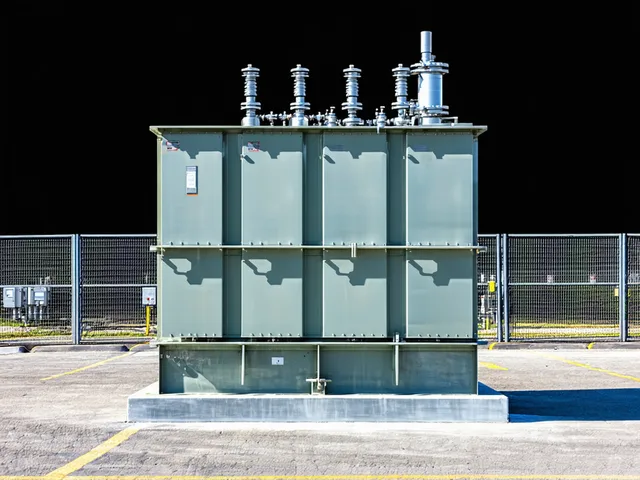
Tap-changer wear signals Fieldiq monitors
Step voltage regulator failures are disproportionately caused by tap-changer mechanism wear — a gradual, detectable process that produces measurable thermal and electrical signatures before catastrophic contact failure.
-
Tap-changer temperature rise pattern
Worn tap contacts exhibit elevated resistance, which manifests as localized temperature rise at the contact surface during current interruption. Fieldiq detects the onset of this pattern weeks before the temperature rise becomes severe enough to trigger thermal protection.
-
Load-current tap-operation correlation
Each tap operation is correlated with load current at the time of the tap change. High-current tap operations accelerate contact wear at a non-linear rate — Fieldiq's model accounts for this cumulative effect.
-
Tap-change frequency trending
Increased tap-change frequency under similar load conditions can indicate developing regulation instability or control system issues that accelerate mechanical wear. Fieldiq flags frequency anomalies as early warning indicators.
-
Cumulative wear index
A composite wear index tracks cumulative tap-changer degradation across the asset's operational lifetime, combining operation count, load-weighted contact erosion, and temperature exceedance events.
Monitor your step voltage regulators before tap-changer failure
Tap-changer failures often happen in high-growth suburban corridors where voltage regulators are cycling frequently due to DER load variability. Contact us to discuss monitoring your regulator fleet.